Life Policy Options Explained Plainly in Desert Hot Springs, CA
Brief, plain answers on term life, whole life and final expense coverage: what each one is meant to do, how many years it runs and why one costs more than another. When you are ready for options of your own, fill in our short form whenever it suits you. Neighbors in Palm Springs and Cathedral City start the same way.
- Plain answers, kept brief
- No insurer singled out
- Your pace, your decision
- Four policy kinds covered
Coverage options for Desert Hot Springs families
Answer six short questions and a licensed agent will follow up with options that fit your situation.
- Takes about two minutes
- No obligation to buy
- Your details stay private
Free, no obligation
See your coverage options
Six short questions. About two minutes.
How Life Insurance Desert Hot Springs Works for You
The explanations stay short, and the next step stays small. How far you go, and how quickly, is your call.
- Read first, share later
- Every explanation here is open to you before you give a single detail. Reading commits you to nothing, and nothing is hidden behind a sign-up.
- Your details, given once
- When you want options, you fill in a handful of questions one time. Those details travel with your request, so you are not telling your story again to each new person.
- No insurer pushed
- We do not name insurers, rank them or steer you toward any one of them. Our job is to set the choices out clearly and leave the decision with you.
- Jargon defined in place
- A beneficiary is the person a policy pays. Term length is how many years term coverage runs. Words like these are defined the first time they appear, and sentences are kept short enough to read once and understand.
The Main Kinds of Life Policy
Term life covers a fixed stretch of years, which people often match to a home loan or to how long their kids will rely on them. Whole life is built to last your entire lifetime and builds cash value, a feature the agent who contacts you can walk through. Universal life also runs for life but can be adjusted along the way, and final expense is a small whole life policy meant for funeral costs. Each has its own page: term life insurance, whole life insurance and final expense insurance.
Term Life Insurance
Term life runs for a fixed number of years. Learn how length, amount and beneficiary choices fit together before you talk with an agent.
Whole Life Insurance
Coverage meant to last your whole life, with level premiums and cash value, explained plainly so you know what to ask an agent.
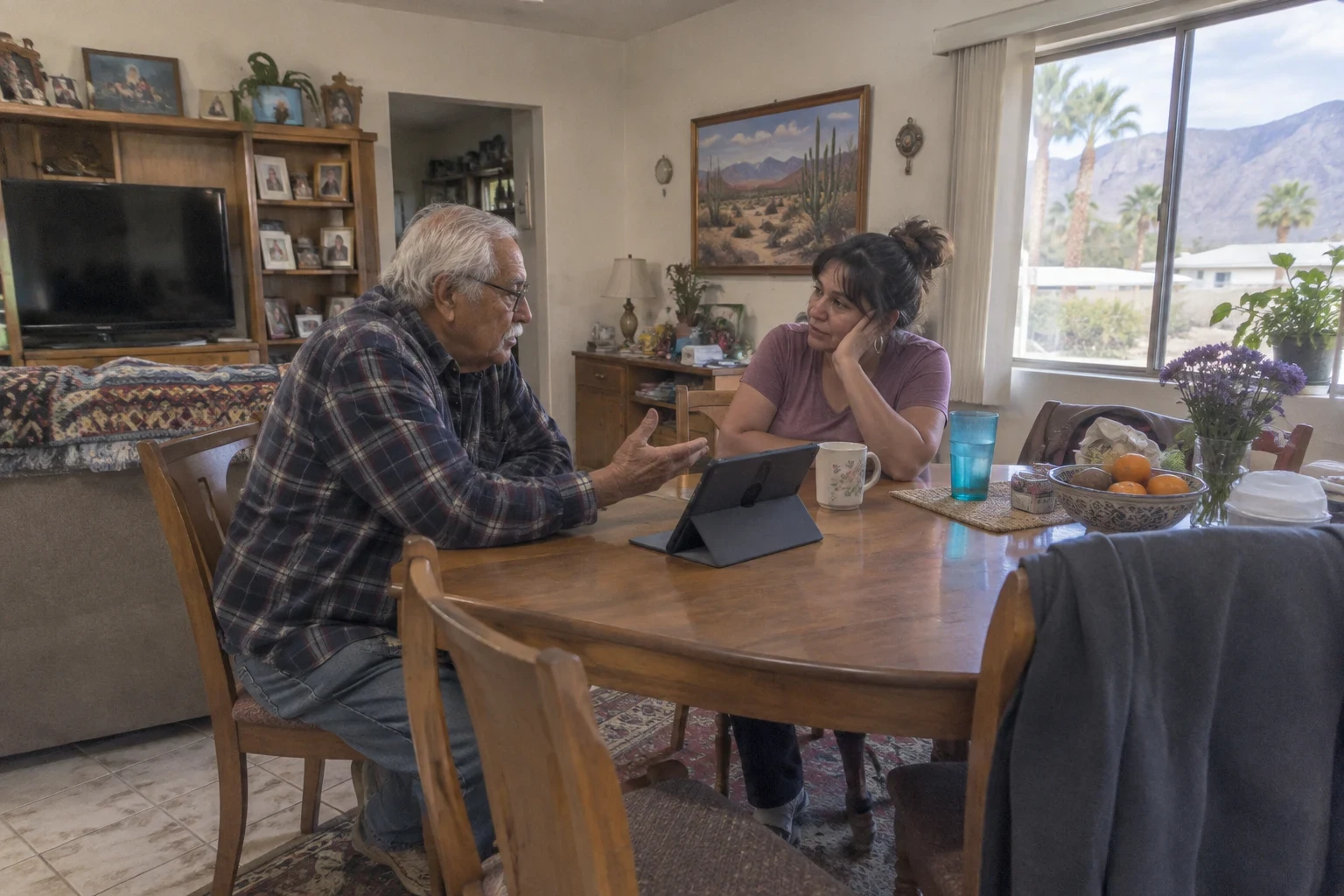
Final Expense Insurance
A small whole life policy kept for funeral arrangements and the last bills, so the money is ready when your family needs it.
What Moves the Price of a Life Policy
Two things set the price of a life policy: some facts about you and some choices about the coverage. Together they explain why two people with policies that look alike on paper can pay quite different amounts. Here is each one in turn.
We do not price policies. The insurance company sets the price after reviewing your application, and the agent who contacts you can go through each factor with your own details in hand.
- Your age
- Insurers pay close attention to your age on the day you apply. Coverage of the same size is generally cheaper when it begins earlier in life.
- Your health
- Your answers to the health questions, plus a medical exam when one is required, feed into the price. Ongoing conditions may raise it, and good health can help hold it down.
- Tobacco use
- Smoking and other tobacco use are rated separately. They tend to lift the cost by a clear margin.
- The amount of coverage
- The bigger the payout, the higher the price. One rule of thumb, not advice for your situation, is several years of income plus any debts. As an example only: in Desert Hot Springs the median household income is $50,349 and the median home value is $309,300. A household close to those figures might start with five years of income plus the balance left on the home, then move the number up or down.
- The length of the term
- With term life, choosing more years at the same amount raises the price, because the insurer stays on the hook for longer.
- The kind of policy
- Coverage meant to last a lifetime costs more than term coverage of equal size. With whole life, some of the price goes toward the cash value the policy builds.
From a Few Questions to a Decision
Most applications pass through the same four stages. Here is what happens at each.
- 1
Answer a few short questions
Give the basics through our short form, such as the amount you are thinking of and who the coverage is for. It takes about two minutes, at any hour you like.
- 2
Options come back to you
A licensed agent who works in your area reaches out with options based on your answers. Ask whatever you want, think it over, or end things there.
- 3
The application
If you decide to proceed, plan on health questions and, for some policies, a medical exam. Policies without an exam exist, but they usually cost more or cover less. The agent can say which type you are considering before you begin.
- 4
The insurer's decision
The insurance company looks over everything and decides on coverage, price and approval. Nothing is settled until that point, and you see the terms before any of it takes effect.
Towns We Cover
Alongside Desert Hot Springs, we serve Garnet, Cathedral City, Morongo Valley, Desert Edge, Palm Springs, Yucca Valley, Rancho Mirage, Thousand Palms and Joshua Tree. Wherever you live among them, the steps are identical. Each visitor reads the same plain explanations, answers the same brief questions and receives options built from their own answers.
- Desert Hot Springs
- Garnet
- Cathedral City
- Morongo Valley
- Desert Edge
- Palm Springs
- Yucca Valley
- Rancho Mirage
- Thousand Palms
- Joshua Tree
All of it happens from wherever you are. You have no office to drive to and no appointment to set before options reach you.
Questions People Ask First
Does it cost anything to use Life Insurance Desert Hot Springs?
No. Using the service is free, and sending your answers does not commit you to buying anything. If you later choose a policy, its premium is between you and the insurer.
Is a life insurance payout taxed?
Under federal law, a payout to a named person is generally not taxed as income. Every situation has its own details, though. Ask a tax adviser how this applies to your own case.
What if I change my mind after buying a policy?
Each policy comes with a free-look period of at least 10 days. Within that window you can cancel and get a refund. The exact length is written in the policy, so look for it when your papers arrive.
Why do people usually buy life insurance?
Most buy it to replace income the household depends on, clear a mortgage, cover what children will need, pay for a funeral or pass money on to family. Often two or more of those apply at once. Whatever the purpose, it tends to guide the amount people consider and how many years they want covered.
What will the questions ask me?
You will be asked for your state, the amount of coverage you have in mind, your marital status, your beneficiary's name and your date of birth. Your name, phone number and email are included so you can be reached. That is all that is needed at this point.
Will I be pressured to decide?
No. Read everything here first, send your answers when you are ready and take whatever time you need with the options that follow. Asking questions and then saying no is a completely normal result.
What Life Insurance Desert Hot Springs Is
Life Insurance Desert Hot Springs is a free service with one purpose: connecting you with a licensed life insurance agent in California who works in your area. It is not an insurance company, and it is not an agent. No policy is sold, priced or issued through us.
Our part is the groundwork. You get explanations you can read at your own pace, and a brief set of questions that routes your request to the right place. The About page explains who takes the conversation from there and what happens to your details along the way.
See Where Your Options Start
Keep a rough coverage amount in mind and your beneficiary's name nearby. Everything else is a handful of plain questions.